Type approval for series production

Establish the right foundation before production begins.

Completing the technical design alone does not make a vehicle ready for series production. Product development, technical requirements, type approval, documentation and conformity of production must be assessed together. Anemon Engineering helps manufacturers make this process more predictable and manageable.

Modern vehicle manufacturing and homologation assessment environment for series-production type approval

Successful production begins with a well-planned approval process.

Manufacturability alone is not enough to place a vehicle on the market. For series production, product development decisions, technical requirements, test planning, documentation and conformity of production must be managed as one system. Homologation is therefore not paperwork to be completed at the end of a project; it is an engineering and process discipline that begins with the product concept.

When technical requirements are identified late, the manufacturer may have to reconsider product design, component selection, chassis configuration, mass distribution, equipment layout or the production method. This can mean more than a delay; it may require the product strategy itself to be reworked. Planning homologation early makes product development more controlled and allows decisions to be made with a clear understanding of technical risk.

Anemon Engineering helps manufacturers evaluate a vehicle not simply as a finished design, but as a product family that can be documented, tested, traced and produced consistently. The objective is to establish a sound technical foundation before the vehicle reaches the market.

Different requirements for different manufacturers.

Caravan manufacturers

For caravan manufacturers, series-production type approval is most effective when interior layout, mass distribution, equipment fixings, the relationship with the chassis or base vehicle and production repeatability are assessed together.

Trailer manufacturers

In trailer projects, category, dimensions, braking, lighting, coupling components and production controls form the core of the technical file. The process is not simply a matter of application paperwork; it is part of bringing the product to technical maturity.

Agricultural trailer manufacturers

For agricultural trailer manufacturers, intended use, load capacity, structural strength, coupling points and production capability must be clarified early. The technical evidence must reflect how the product will actually be manufactured.

Special-purpose vehicle manufacturers

A standard product approach is rarely sufficient for special-purpose vehicles. The operating function, equipment scope, body effects, electrical systems and use case must be assessed for the individual project.

Component manufacturers

For component manufacturers, the function of the product on the vehicle, its technical characteristics, supporting evidence and traceability are central to type approval preparation.

New manufacturers

For new manufacturers, the central challenge is turning a product concept into a production-ready and documentable system. Product development, test planning, documentation and conformity of production must form part of the same roadmap.

Many projects become difficult because of process gaps, not engineering limitations.

Homologation started too late

If homologation is considered only after production development is complete, the product may require costly and difficult revisions. The right approach is to make type approval requirements visible during product development.

Incomplete technical planning

If the vehicle category, target market, technical requirements, testing needs and production method are not assessed at the outset, uncertainty increases as the project progresses. This directly affects cost and scheduling.

Documentation gaps

If drawings, calculations, explanations and supporting evidence do not match the product, the application can be prolonged by avoidable questions and revisions. Robust documentation is the technical memory of the project.

An unsuitable product concept

A product may appear commercially viable yet remain poorly prepared for approval if market expectations and technical requirements are not considered together. The product concept must be developed within the applicable technical boundaries.

Testing planned too late

When testing requirements are identified late, they place unnecessary pressure on prototypes, samples, schedules and budgets. The test plan should be developed alongside product design decisions.

Inadequate conformity of production preparation

A series-production approach is not limited to approval of one product. Consistent production, reliable records, traceability and quality discipline are essential to maintaining compliance after approval.


What must be assessed before series production.

01

Vehicle category

The category assigned to a product affects its technical requirements, test scope, documentation and application strategy.

02

Technical requirements

Dimensions, masses, braking, lighting, couplings, safety systems and intended use must be assessed for the specific product.

03

Design assessment

A design must be assessed not only for manufacturability, but also for whether it can be technically substantiated during type approval.

04

Documentation structure

The technical file must present the engineering definition, production scope and supporting evidence consistently.

05

Test planning

Product development proceeds with greater control when required tests, sample needs and timing are planned from the outset.

06

Production system

The production line, supply chain, control points and assigned responsibilities must support consistent product quality throughout series production.

07

Conformity of production

Records, controls and traceability must be established to ensure that the approved product retains the same technical characteristics in production.

08

Process management

The application, technical assessment, authority communication, revisions and post-approval changes should be managed through one coherent roadmap.

Documentation is not a formality.

The technical file is the core engineering definition of a product within series-production type approval. Drawings, calculations, technical explanations, component data, supporting evidence and traceability records do more than complete an application: they demonstrate how the product will actually be manufactured and the technical assumptions on which it is based.

Poor documentation can make a technically sound project impossible to demonstrate clearly. Alignment between the production plan and technical file directly affects testing, authority assessment, conformity of production and post-approval change management.

Review of the technical file, part traceability and CoP production evidence in series-production type approval

The process continues after approval.

  • Manufacturing consistency and product traceability
  • Process discipline and control points
  • Maintaining the approved technical configuration
  • Conformity of production and a quality-led approach

Success in series production is not measured solely by approval of the first product. The manufacturer must also demonstrate that the approved technical configuration can be maintained consistently in production. Conformity of production is therefore an operational discipline: consistent product quality, controlled technical changes, reliable records and preserved traceability all strengthen the manufacturer's long-term credibility.

We manage technical and administrative processes together.

01

Preliminary project assessment

The target market, vehicle category, production model and technical risks are assessed before application. This establishes the initial decisions needed to avoid unnecessary revisions.

02

Type approval strategy

A practical homologation roadmap is prepared with regard to national or EU type approval, product variants, component relationships and production objectives.

03

Technical file preparation

Drawings, technical explanations, calculations, supporting evidence and traceability records are organised to reflect the product as it will actually be manufactured.

04

Document management

Document flow, revision control, file integrity and explanations required during authority assessment are monitored systematically.

05

Test programme planning

The scope of testing, sample requirements, preparation sequence and impact on the project schedule are assessed at an early stage.

06

Application management

The application file, technical communication, authority feedback and procedural steps are managed in a structured manner.

07

Conformity of production preparation

The conformity of production approach, manufacturing control points, traceability and process discipline are tailored to the manufacturer's organisation.

08

Post-approval support

Ongoing support is available for new variants, product changes, production continuity and technical file updates.

Every manufacturing project is different.

The same issue can have very different technical implications in caravan, trailer, agricultural trailer, special-purpose vehicle, bodywork or component projects. Vehicle category, production volume, target market, product variants, supplier structure and testing requirements all shape the approval route.

Experience means more than having prepared similar files in the past. It requires the ability to anticipate which decisions may later create problems in testing, documentation or conformity of production. Anemon Engineering brings technical judgement and process discipline to these decision points.

Experience across multiple vehicle categories.

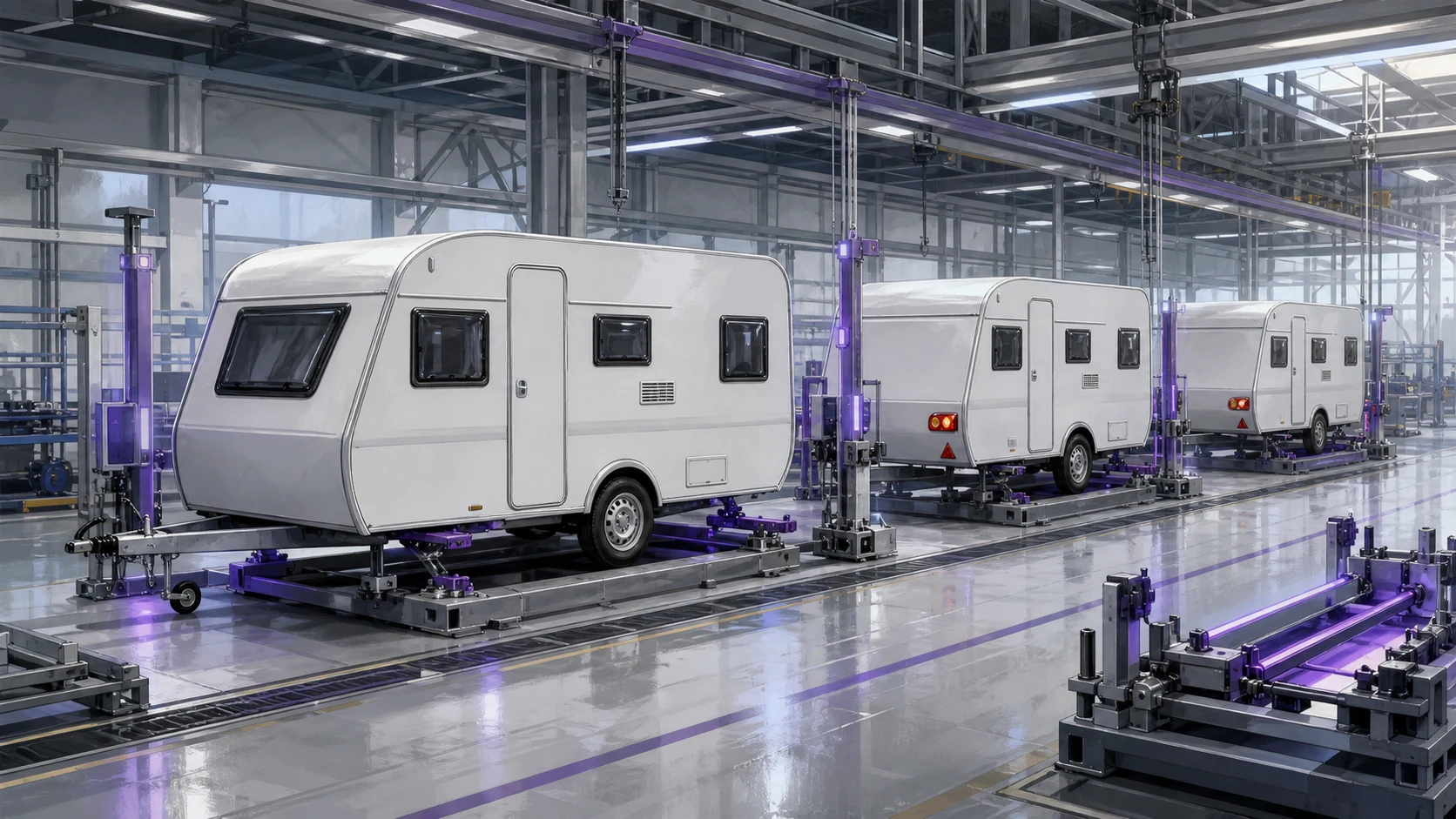
Repeatability of chassis, axle, body and rear lighting in caravan series production

Caravans

Technical documentation and type approval preparation focused on layout, mass, equipment and repeatable production.

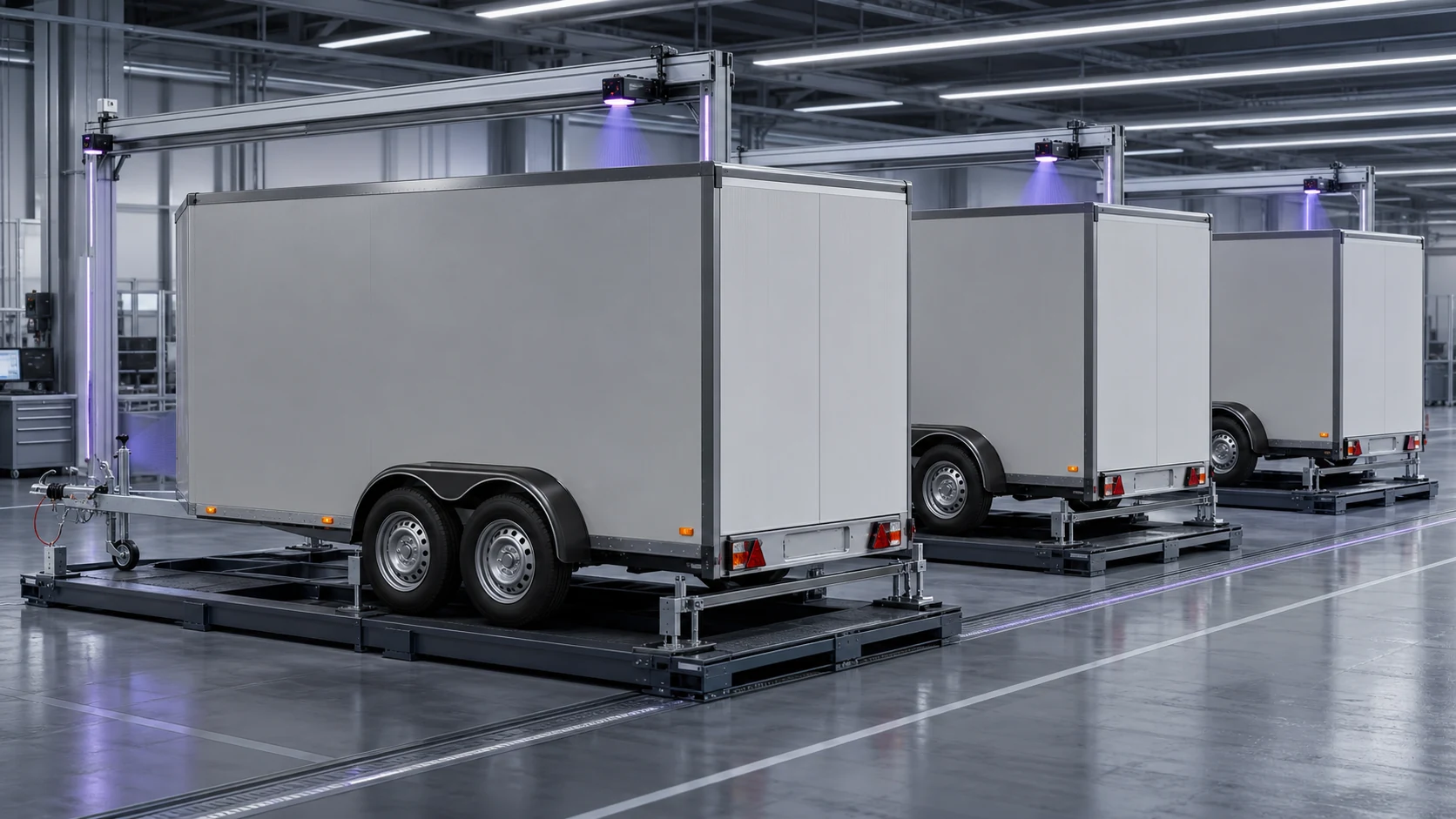
Axle alignment, coupling and rear-light quality control in enclosed-trailer series production

Trailers

Projects requiring coordinated assessment of chassis, braking, lighting, dimensions and production controls.

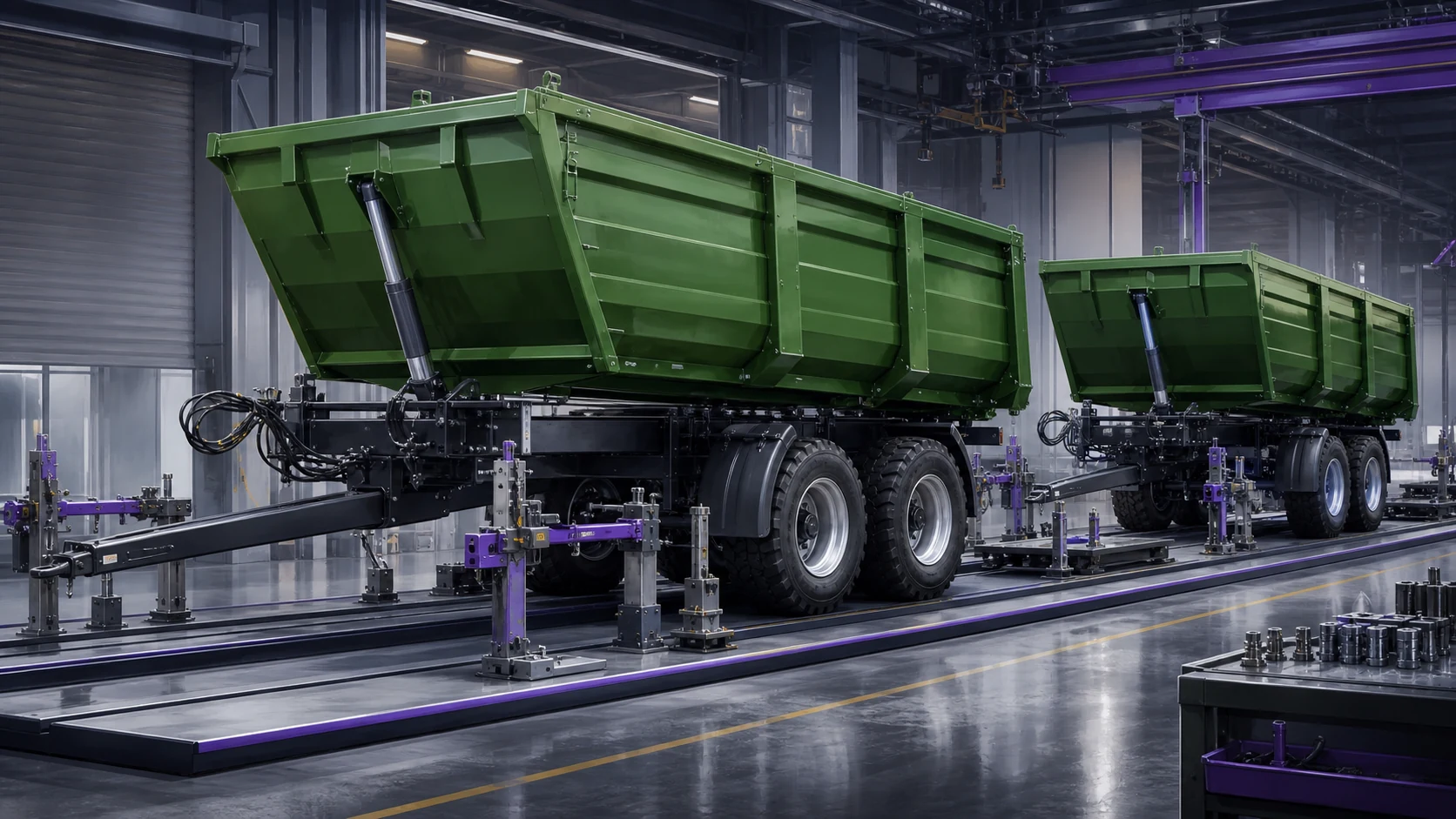
Axle spacing, tipping mechanism and brake components in agricultural-trailer series production

Agricultural trailers

Manufacturing projects involving intended use, capacity, coupling components and structural requirements.

Equipment layout, electrical safety and mass repeatability in special-purpose vehicle series production

Special-purpose vehicles

Vehicles whose operating function, equipment scope and technical compliance require project-specific assessment.

Repeatability of subframe mounting, cab clearance and rear overhang in bodybuilder series applications

Bodywork projects

Projects involving a base vehicle, second-stage responsibilities and the impact of technical changes.

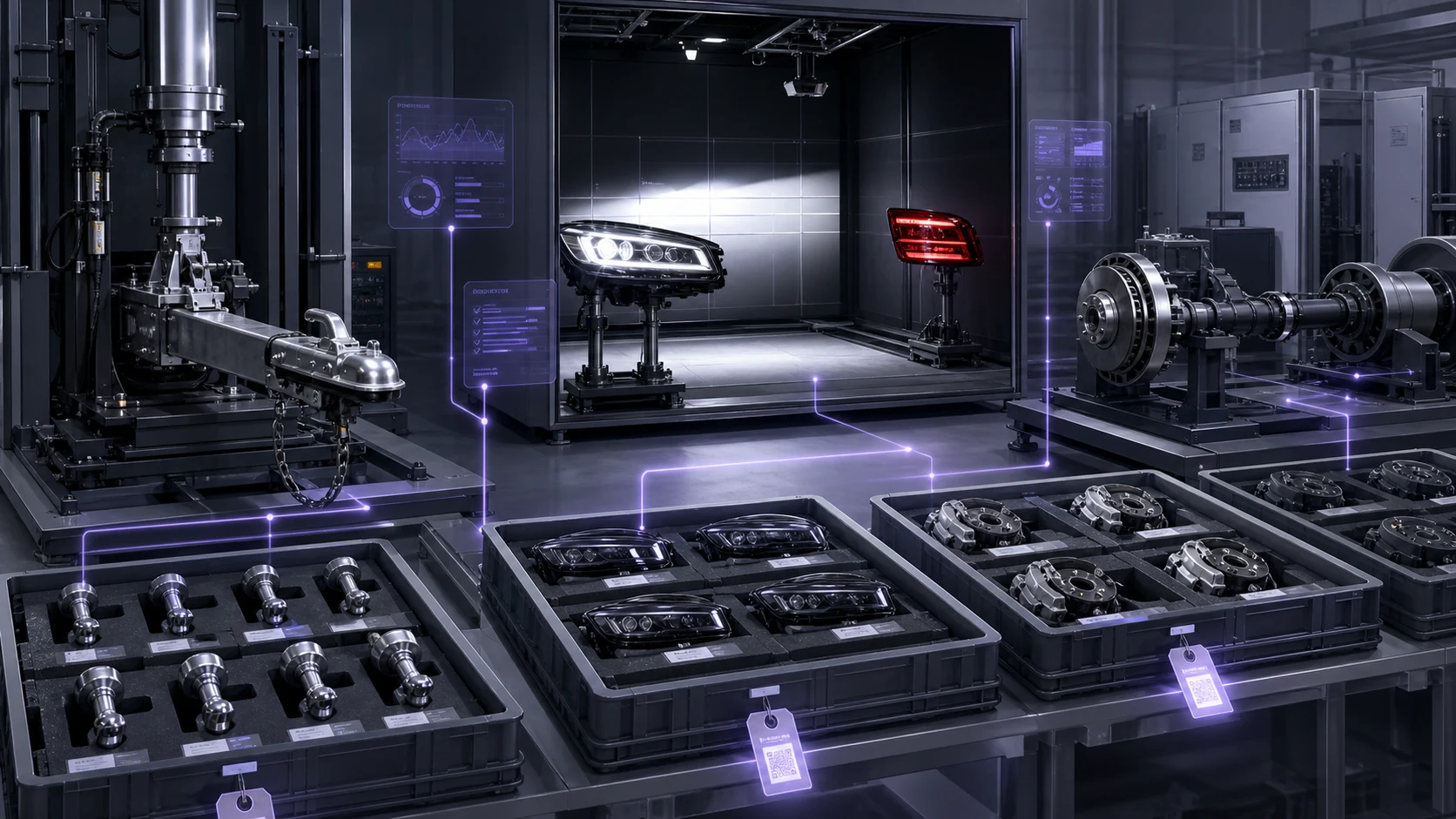
Coupling fatigue, lighting photometry and brake dynamometer tests in component type approval

Component projects

Component projects in which the function on the vehicle, technical evidence and traceability must be defined.

Common questions about series-production type approval.

The product, technical file, testing and conformity of production must be assessed together before manufacturing begins.

Series-production type approval is the process of defining a vehicle or component in a form that is technically compliant and ready for repeatable manufacture. It brings together product development, the technical file, test planning, application management and conformity of production.

Caravan, trailer, agricultural trailer, special-purpose vehicle, low-volume, component and bodywork manufacturers, as well as new vehicle manufacturers, may require series-production type approval.

Yes. For new manufacturers, the priority is to turn a product concept into a documented and repeatable production system. A technical assessment, documentation plan and conformity of production preparation before application are therefore particularly important.

For caravan manufacturers, the base vehicle or chassis, interior layout, mass distribution, equipment fixings, electrical and auxiliary systems, production repeatability and technical file structure are planned together.

For trailer manufacturers, chassis structure, axles and braking, lighting, dimensions, masses, coupling components, product variants and production controls are assessed together with the technical file.

Agricultural trailer projects require product-specific assessment of intended use, category, load capacity, structural design, coupling arrangement, safety requirements and production method.

The technical file is the engineering definition of the product. If drawings, calculations, technical explanations, supporting evidence and traceability records are incomplete or inconsistent, demonstrating conformity and managing the approval process becomes significantly more difficult.

Testing should be planned during product development. Identifying test requirements too late can create avoidable pressure on prototypes, samples, schedules and product revisions.

Conformity of production is the framework used to ensure that an approved product retains the same technical characteristics in series production, supported by production records and disciplined controls.

Type approval does not end with the first product. Conformity of production enables the manufacturer to maintain the approved technical configuration and manage products with full traceability throughout production.

Yes. Product variants, technical changes, production continuity, documentation updates and new application requirements must continue to be managed after approval.

Anemon Engineering works with manufacturers on preliminary project assessment, type approval strategy, technical file preparation, document control, test planning, application management, conformity of production preparation and post-approval support.

An engineering approach built around the manufacturer.

In series-production type approval projects, Anemon Engineering looks beyond the application file to the complete technical development of the product. Product decisions, technical file structure, test planning, application management and conformity of production are interdependent. Our role is therefore not limited to short-term document preparation; we help manufacturers build a more controlled, traceable and sustainable production system.

Reliable project management for vehicle manufacturers begins with asking the right questions early, making technical risks visible and grounding decisions in engineering evidence. Anemon works as a long-term technical partner throughout this process.

Let us review your production objectives.

Let us plan the technical support required for vehicle development, type approval and series-production preparation.